Key points
- Video has become a central format in digital marketing, and many audiences now expect to see it from the businesses they research online.
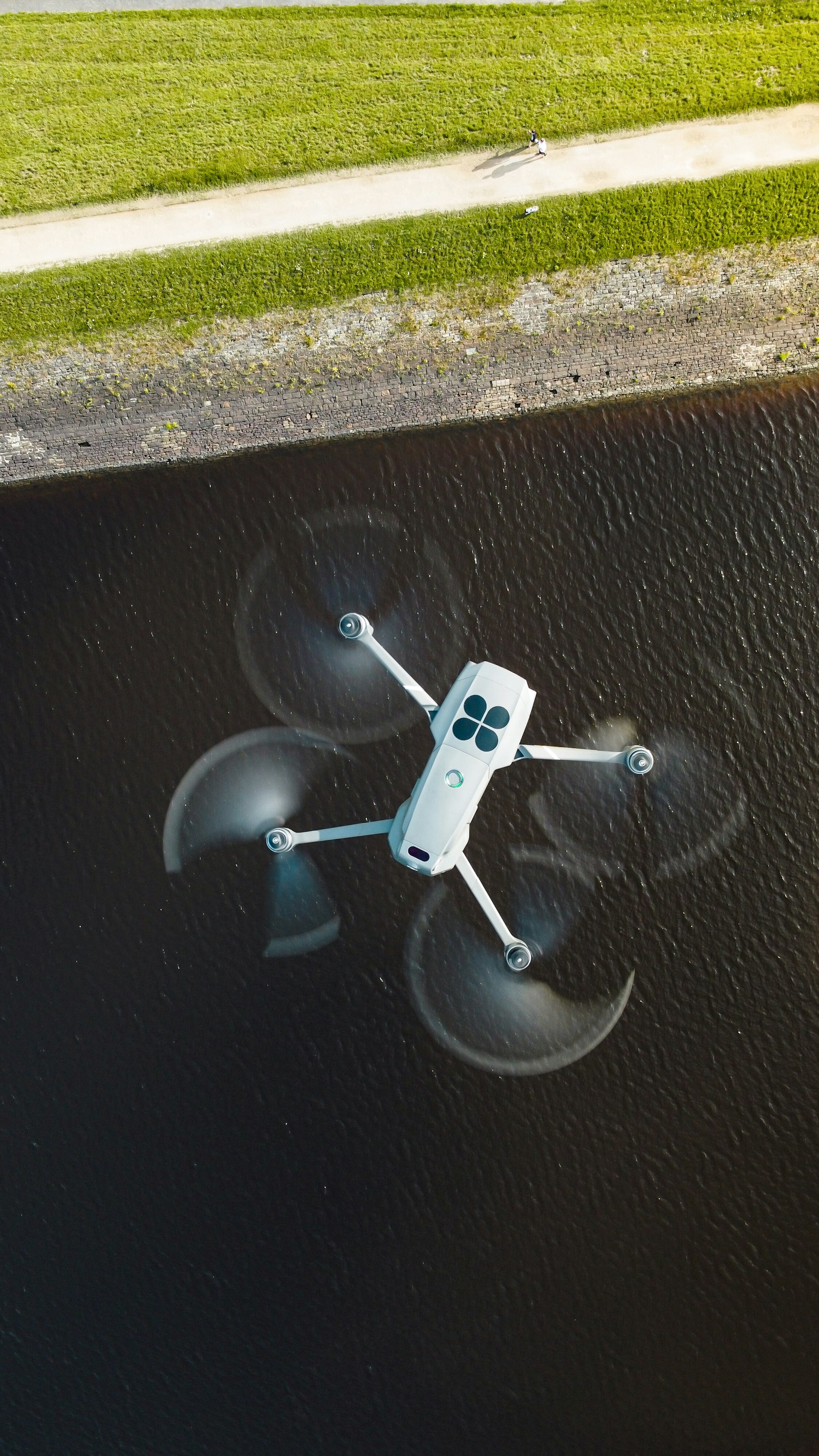
- Drone footage provides a professional, cinematic perspective that ground-level photography and stock imagery cannot replicate.
- Commercial drone operation is regulated by the Federal Aviation Administration under Part 107, and any business commissioning aerial work should confirm its operator holds a current Remote Pilot Certificate.
- Effective business video is planned around a specific objective, not produced as a general asset and repurposed later.
- A single well-planned shoot can supply video for a website, social media, paid ads, and sales materials.
For a business evaluating its marketing investments, video is no longer just a supplementary channel. It has become one of the main ways customers learn about products, services, and the businesses they consider hiring.
Static text and still photography still play a role, but neither is sufficient on its own to compete for attention in a feed where so many neighboring posts are moving, narrated, or otherwise dynamic.
Drone footage is the natural extension of that same trend. What was once a specialty reserved for real estate listings and event production is now a practical option for hospitality venues, construction firms, tourism operators, municipalities, and any organization whose story is best told from a perspective the human eye cannot easily reach on its own.
This article outlines how video and drone content contribute to a modern marketing strategy, where they produce the most measurable return, and what organizations should understand about production, regulation, and vendor selection before commissioning the work.
Why Video Content Works
According to Wyzowl's annual State of Video Marketing report, 84 percent of consumers indicate they want to see more video from brands, a figure that has ranged between roughly 83 and 91 percent over the past eight years.
That demand is not driven by novelty; video communicates atmosphere, personality, and context in seconds, whereas text requires deliberate reading and static images provide only a single frame of reference.
Search engines have adapted accordingly. Google's video indexing documentation outlines how video content is surfaced in search results through dedicated video carousels, thumbnail previews, and rich results, all of which increase visibility beyond what a comparable text page can achieve.
For social media, the shift is even more pronounced. Short-form video is heavily supported and prominently featured on Facebook, Instagram, LinkedIn, and TikTok, though each platform treats it differently and their algorithms change often. Each of these platforms also offers paid ad formats built specifically for video creative.
Businesses that rely exclusively on still images are missing out on one of the formats these platforms most actively support.
Where Video Belongs in Your Marketing Strategy
Video should not be treated as a single asset to be produced once and distributed everywhere. Different placements call for different lengths, formats, and levels of production, and organizations that plan their content around specific channels tend to see stronger returns than those that produce one general-purpose video and attempt to reuse it across every surface.
Your Website
A homepage brand video, whether 30 seconds or two minutes, gives new visitors an immediate sense of who your organization is and what it does. Service pages benefit from shorter explainer videos that walk viewers through a specific offering. Video assets on a website should always be paired with accessible transcripts and captions to meet the same accessibility standards that apply to the rest of the site, which we address on every website we build.
Social Media
Instagram Reels, Facebook Reels, TikTok, and YouTube Shorts are built around short-form vertical video. These placements favor content that hooks viewers quickly and delivers a clear payoff by the end. Longer horizontal video still performs well on YouTube proper and on LinkedIn, particularly when it functions as substantive thought leadership or genuine behind-the-scenes documentation.
Digital Advertising
Video creative can perform very well in paid campaigns on Meta, Google, and YouTube, especially when it is produced with each platform's specifications in mind, but results depend on the audience, creative, placement, and campaign objective. Running video and static versions of the same ad side by side shows which performs better for a given campaign. Ads should be captioned by default, since a significant portion of social video is viewed with sound off, and the message must land whether the sound is on or not.
Sales and Client Communication
Video is increasingly used in sales pitches, proposal follow-ups, and client onboarding. A brief personalized video accompanying a proposal, or a walkthrough attached to a completed deliverable, communicates care and clarity in a way that a written email rarely matches.
What Drone Footage Adds to Your Brand
Aerial footage captures scale, context, and atmosphere that ground-level photography cannot reproduce. For a hospitality venue, a drone shot conveys the setting, the surrounding landscape, and the size of the property in a single opening frame. For a construction firm, aerial documentation of a completed project communicates the scope of the work far more effectively than a series of static exterior photos. For a municipality or tourism board, aerial footage of the community itself communicates civic pride and identity in a way that no other medium easily can.
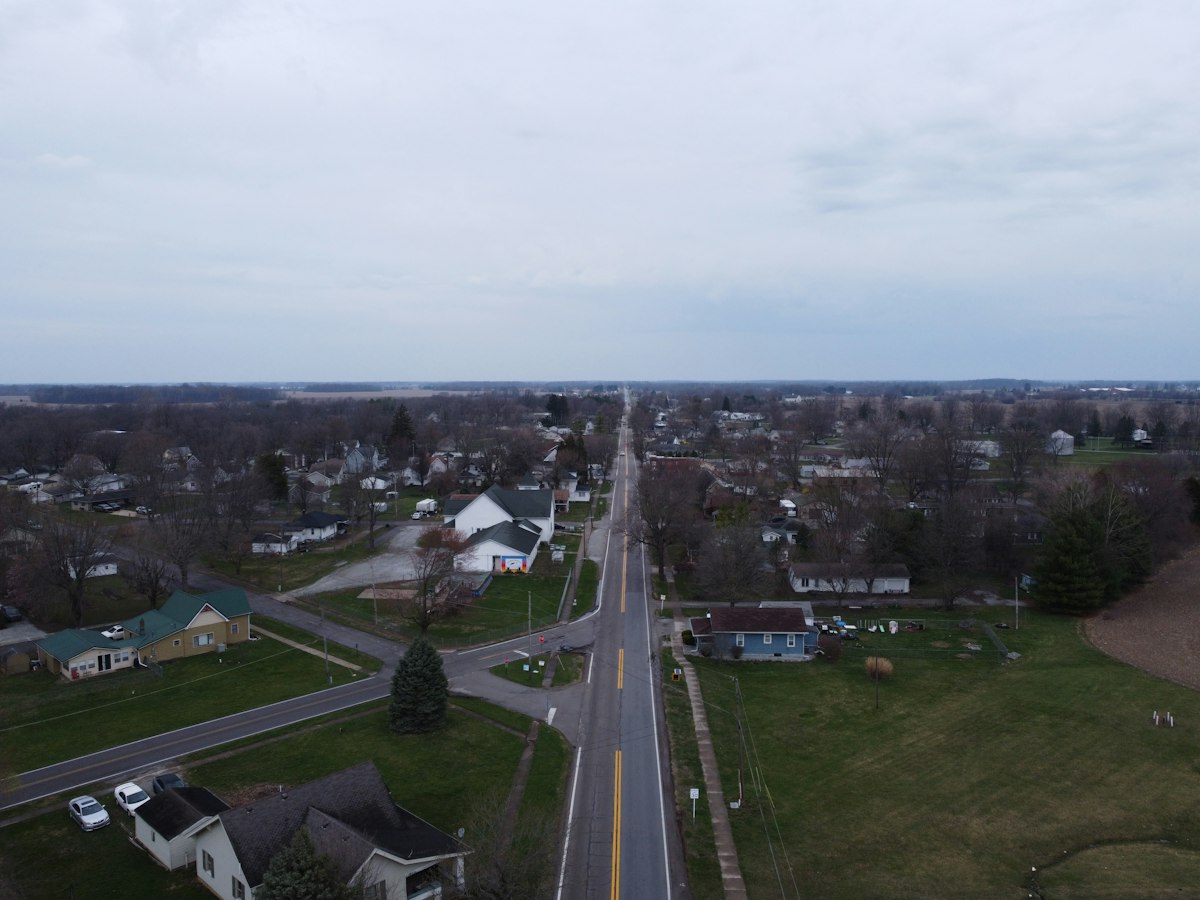
Drone content is particularly effective for the following categories of business:
- Real estate and hospitality properties, where the setting is part of the product being sold.
- Construction, roofing, and site development firms, where aerial documentation demonstrates capability and progress.
- Event venues, wedding venues, and outdoor recreation businesses, where the atmosphere of the location is central to the customer decision.
- Manufacturing, agricultural, and industrial operations, where the scale of the facility is itself a competitive differentiator.
- Nonprofits, chambers of commerce, and municipal organizations that promote a region or community.
The FAA Rules Every Business Should Understand
Commercial drone operation in the United States is regulated by the Federal Aviation Administration under Part 107 of the Federal Aviation Regulations.
Any drone flight conducted for business purposes, including marketing content, requires a Remote Pilot Certificate issued by the FAA after the operator passes the Part 107 Aeronautical Knowledge Test.
A photographer or videographer who flies for business without this certification is operating outside the requirements of Part 107 and can face FAA enforcement action, including civil penalties.
In addition to certification, commercial drone flights must comply with airspace restrictions, altitude limits, and the FAA's rules for operations over people, which sort flights into four categories based on the drone's weight, design, and risk of injury rather than applying a single fixed distance. Night flights no longer require a waiver, provided the pilot has completed the FAA's current knowledge test or recurrent training, both of which cover night operations, and the drone carries anti-collision lighting visible for at least three statute miles.
The FAA's LAANC system (Low Altitude Authorization and Notification Capability) is how certified operators check a location's airspace and obtain authorization to fly near airports before a shoot is scheduled. The FAA has retired its standalone B4UFLY app; its airspace data is now available through FAA-approved partner apps. Anyone commissioning aerial work should confirm that their vendor holds current Part 107 certification and carries appropriate commercial drone insurance.
Common Types of Business Video We Produce
A production plan should begin with the intended outcome, whether that is generating leads, communicating a brand story, supporting a launch, or documenting an event. The following formats represent the categories we produce most frequently for regional businesses.
Brand Films
A one-to-three minute anchor video that establishes who the organization is, whom it serves, and why it exists. Brand films sit on the homepage, anchor sales presentations, and are excerpted into shorter cuts for social distribution.
Service and Product Videos
Focused explainer videos that describe a specific offering, its process, and its outcome. These typically live on service pages and are used in paid advertising to warm leads before they contact the business.
Aerial and Location Videos
Drone-based content that establishes a physical location, showcases the surrounding area, or documents the scale of a project or facility. Often used as the opening sequence of a longer edit or as standalone content for social distribution.
Event Coverage
Documentation of grand openings, community events, fundraisers, and internal milestones. Well-produced event coverage becomes usable content across social media, email marketing, and future presentations for years after the event itself.
Testimonials and Case Study Videos
Recorded customer interviews that communicate credibility more persuasively than any first-person marketing copy. These are especially effective for service businesses, professional practices, and B2B organizations selling a considered purchase.
What One Shoot Can Produce
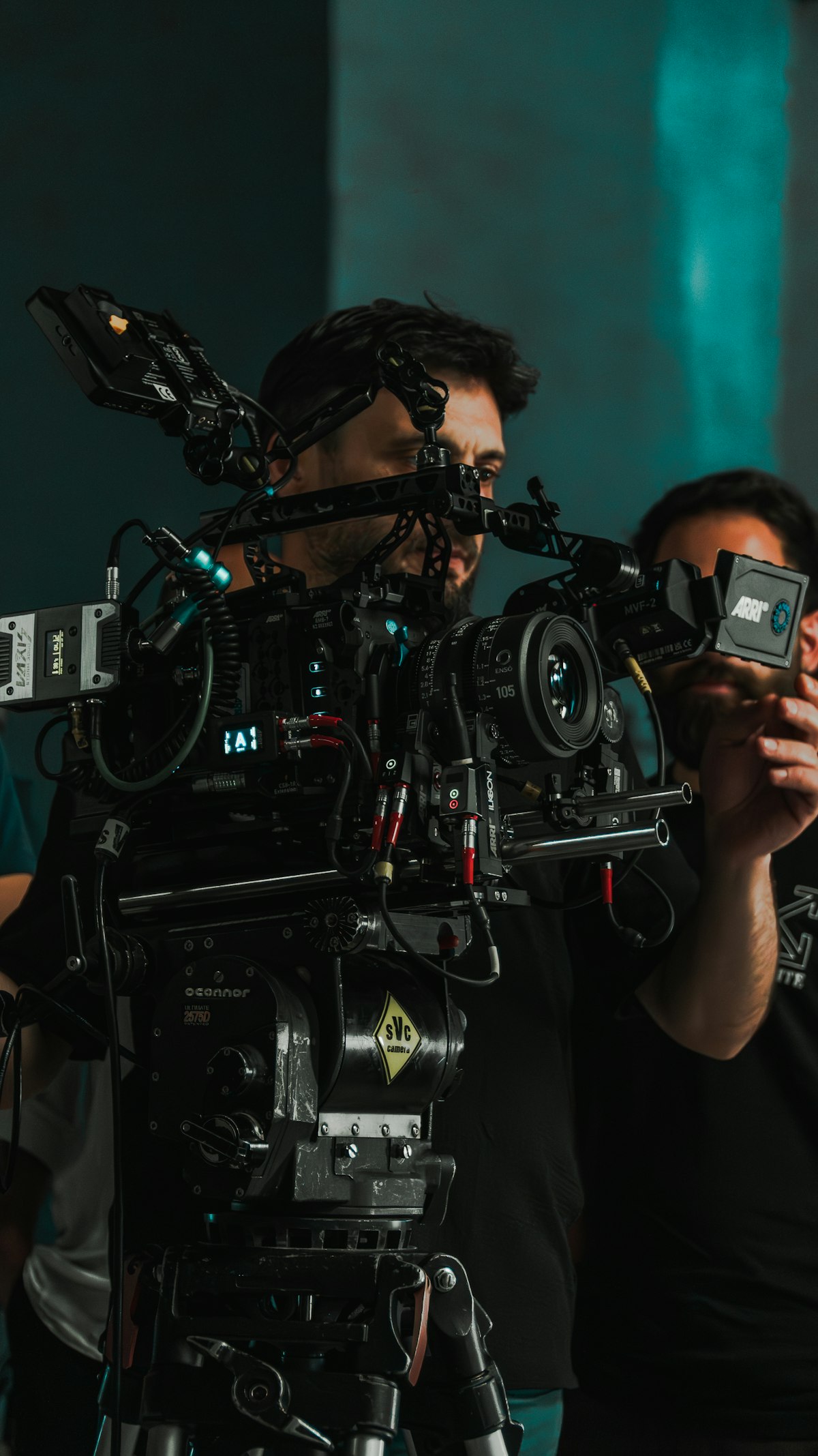
When a shoot is planned around every placement before the camera comes out, a single session on location can supply video for the website, social media, and paid ads at the same time. A half-day shoot for a local service business, for example, might be edited into:
- A 60- to 90-second brand film for the homepage.
- Short clips for individual service pages that walk viewers through each offering.
- Vertical cuts for Instagram Reels, Facebook Reels, and YouTube Shorts.
- Several 15- to 30-second ad variations to test against each other on Meta or YouTube.
- Aerial establishing shots that can open any of the edits above when the location calls for it.
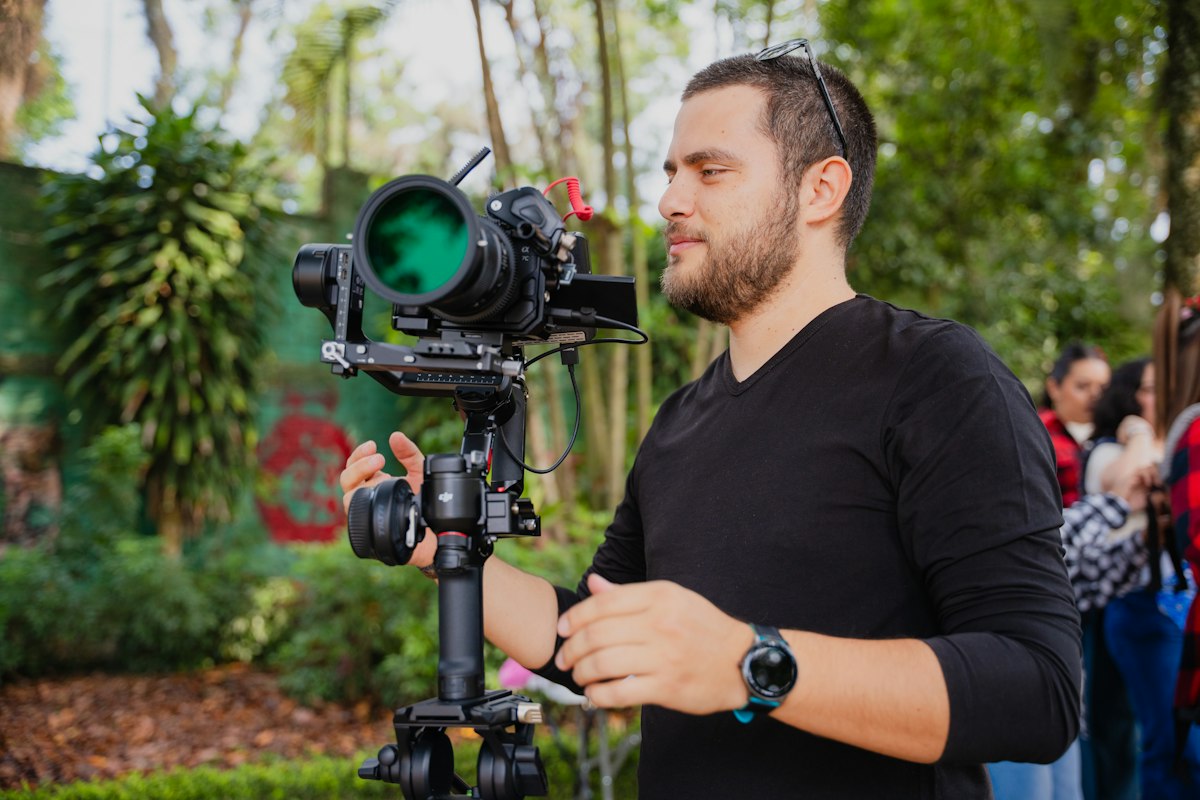
Each of those edits is written into the shot list in advance, so the crew captures the angles, lengths, and orientations every placement needs instead of trying to cut them from footage shot for something else.
Building Trust Through Real Stories
Recorded customer interviews help businesses build credibility by allowing potential customers to hear directly from people who have experienced their services. These videos can highlight real partnerships, share customer experiences, and provide insight into the value of a business's work.
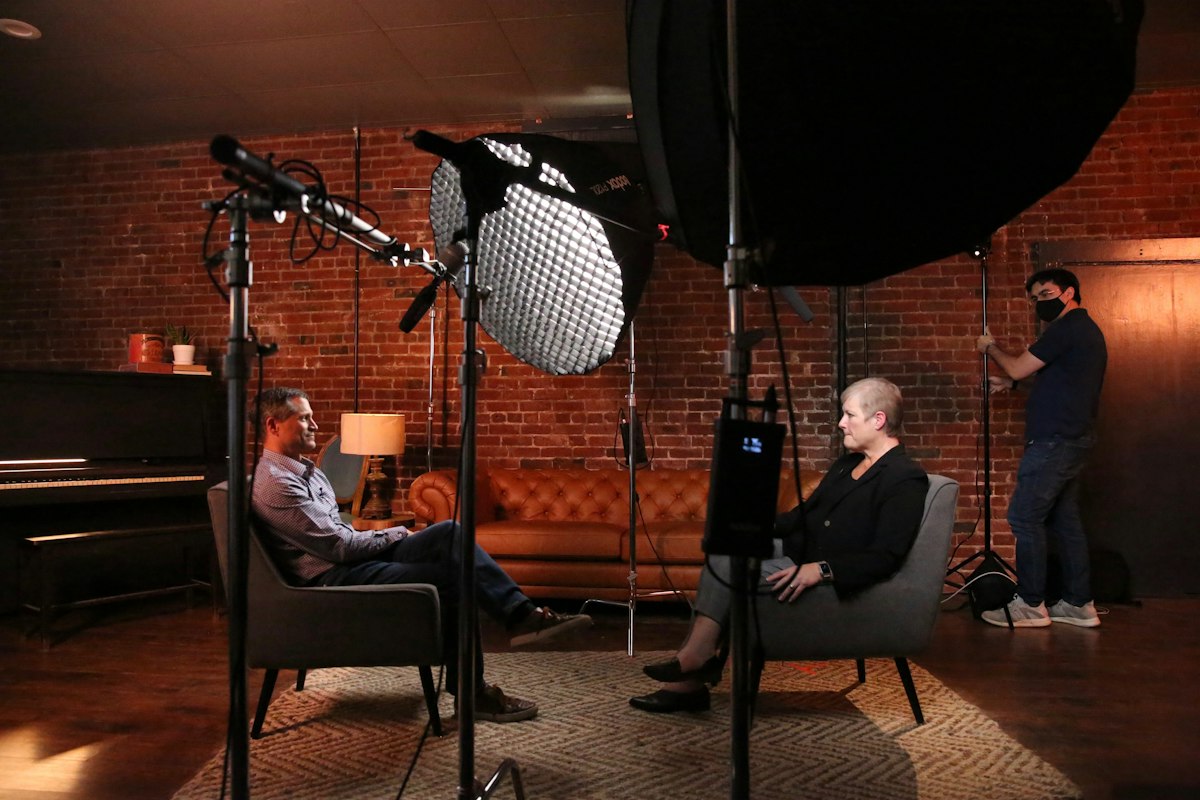
Organizations like PORTS Recruitment & Career Center in Piketon, Ohio, can benefit from this approach by highlighting their partnerships, workforce development initiatives, and community impact through video. Featuring real experiences and perspectives can help audiences better understand an organization's work and the people behind it.
These videos are especially valuable for service businesses, professional practices, nonprofits, and organizations looking to build trust with their audiences.
What Separates Effective Video From Filler
The gap between video that produces measurable business outcomes and video that quietly sits on a hard drive is usually a matter of planning rather than budget. Well-conceived content produced on a modest budget often outperforms high-production content produced without a clear objective.
Every video we produce is planned around three questions. What is the specific business outcome this video should support? Who is the intended audience, and where will they encounter it? What action should a viewer take after watching? A video that does not answer all three is unlikely to earn back the time and money invested in producing it, regardless of how visually accomplished it is.
Production quality still matters. Poorly lit footage, unclear audio, and unedited timing all signal a lack of professionalism to viewers and are attributed, fairly or not, to the business the video represents. However, quality and expense are not the same thing. Careful pre-production and thoughtful editing produce better results than expensive equipment used without a plan.
Recommended Next Steps
Organizations that have not yet incorporated video into their marketing should begin with a single, well-planned asset rather than an ambitious multi-video initiative. A homepage brand film or a set of three short social videos is a manageable first investment that will inform how future production is scoped.
Our team produces video and drone content for businesses, municipalities, and nonprofits across Southern Ohio, Eastern Kentucky, and West Virginia.
Every project is planned with a defined business objective, produced under Part 107 certification where aerial work is involved, and delivered in the formats required for the platforms where the content will run. To discuss a video or drone project, please contact our team.