Key points
- Some traditional methods can outperform digital ads for the right audience and goal
- The right method depends on your audience, not the trend
- Traditional and digital marketing work best combined
- QR codes make offline marketing easier to track
- Traditional marketing fails when it's untargeted, overloaded with copy, or impossible to track, not because the channel is outdated
Does Traditional Marketing Still Work in 2026?
Yes, for the methods that fit your audience. Billboards, direct mail, radio, print, and networking events reach people outside the crowded digital space of ignored inboxes, scroll-past social feeds, and search results dominated by paid placements.
People still spend a significant part of their day interacting with the world beyond their screens. A business that only shows up online is invisible during all of that time.
Whether a specific method works for you depends on your business, location, and customers, not on how old or new the channel is. A regional home service company and a national e-commerce brand need almost opposite marketing plans, even though both could technically run a billboard or a Facebook ad.
What Counts as Traditional Marketing
Traditional marketing covers billboards, direct mail, brochures, flyers, radio ads, newspaper ads, signage, sponsorships, networking, and event marketing. These channels reach people while they're off their phones and out of their inboxes, in physical spaces where there's no algorithm deciding whether your business gets seen.
Not every method fits every business. A billboard makes sense for a company trying to build name recognition across a driving route. A trade show booth makes sense for a business that sells to other businesses. Testing a new channel also takes budget before you know whether it's working, which is worth accounting for from the start.
This is usually the first thing we sort out with a client during marketing strategy planning: which channels are worth the spend before any money goes out the door.
Billboards
Billboards still work, best for local awareness, not national reach. A restaurant, law firm, dealership, or home service company benefits from the same few thousand people driving past the same sign every day, because repetition is what makes a name stick.
Billboard copy has to be short: your business name, one clear message, and something visually memorable enough to register in a few seconds. A driver going 60 miles per hour isn't reading a paragraph or comparing your services to a competitor's.
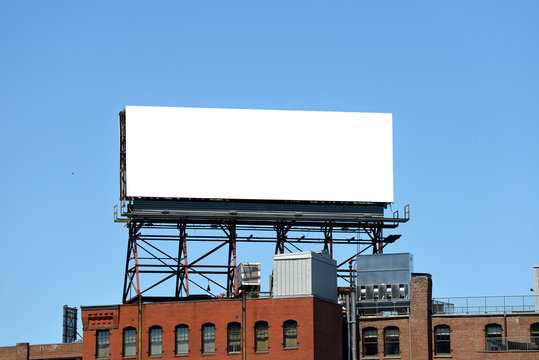
Placement matters as much as design. A well-designed board on a low-traffic side road does less than a plain one on the route everyone in town drives twice a day.
Nearly 80% of consumers took some kind of action, searching for a business, visiting its website, or scanning a code, after seeing an out-of-home ad in the past 60 days.
The real payoff usually shows up later: someone sees your name enough times that when they actually need the service, they search for you by name instead of typing "near me" and picking whoever shows up first.
Direct Mail
Direct mail still works best when there's a defined local audience and a clear reason to send them something: a new location opening, a service launch, a seasonal offer, or a community event. Mail volume has dropped over the past decade, which makes a well-designed piece easier to notice than it used to be.
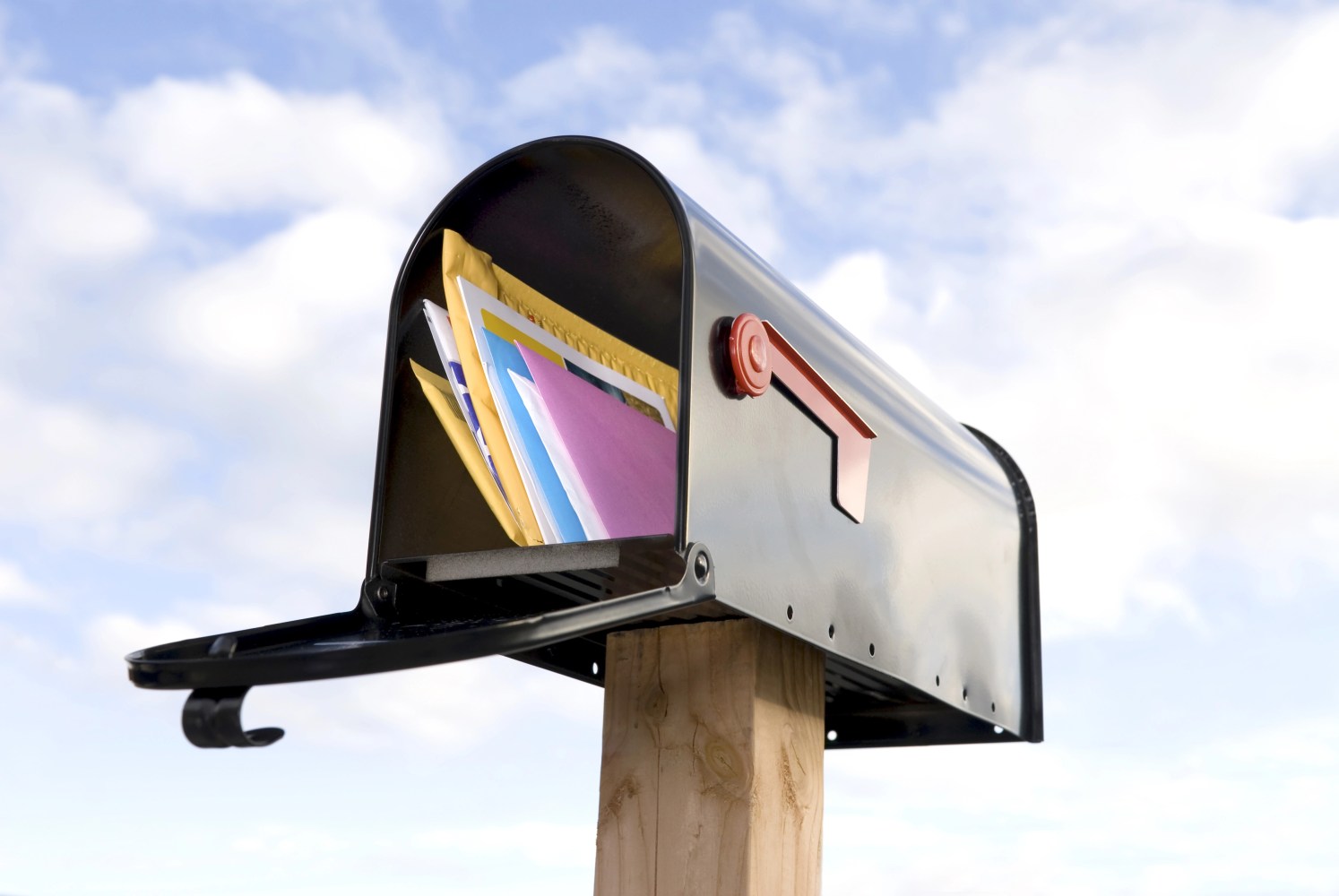
A postcard sitting alone in an otherwise empty mailbox gets more attention than one competing with fifty emails. Direct mail's average response rate now runs about 37 times higher than email's.
A mailer works when the audience, message, timing, and design all line up, and when it gives the recipient a clear next step: your website, a landing page built for that specific offer, or a QR code. A generic postcard mailed to a wide radius with no offer attached and no way to respond rarely earns a second look.
The businesses that get results from direct mail usually treat it like a targeted campaign with a start and end date, not a one-time mailing they run once and forget.
Print Materials: Brochures, Flyers, and Business Cards
Brochures, business cards, and flyers still earn their place at trade shows, conferences, networking events, and in-person sales conversations. Handing someone something they can hold onto beats asking them to remember your name and search for you later, especially in a room full of other businesses doing the same thing.
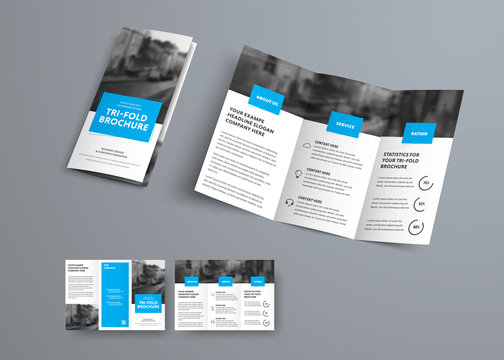
The layout matters more than most people expect. Lead with what someone needs to know first: what you do, who you serve, and how to reach you. Cut anything that isn't essential to that.
A brochure trying to explain every service, list every credential, and squeeze in a mission statement usually ends up saying nothing clearly, because the reader has no idea where to look first. We apply the same principle in graphic design work generally: put what matters most first and cut the rest.
Radio Advertising
Radio only pays off when the station's listeners actually match your customers. That depends on the specific station, the coverage area, the time slot, and how often your ad airs, not on whether radio as a medium still has an audience.
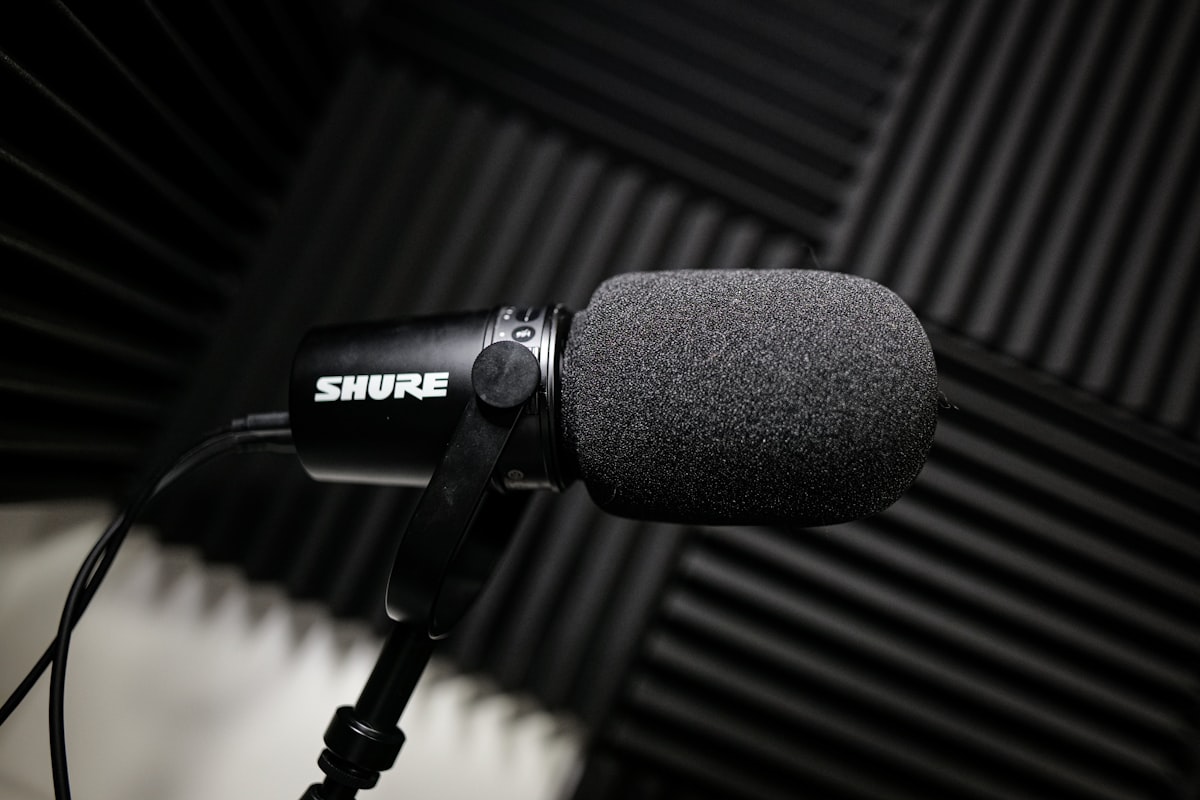
Drive-time slots reach commuters, which can work well for a business people think about on their way to or from work. Local stations reach a defined regional audience, which matters for a business that only serves that area and doesn't need to pay to be heard three counties over.
If the audience overlaps with your customers, radio builds the kind of repeated local exposure that print and digital struggle to match. If it doesn't, you're paying for reach that never converts into a customer.
Newspaper and Print Publications
Local newspapers, community papers, and industry newsletters still have loyal, engaged readers, even in cases where a broad newspaper campaign no longer reaches a younger audience the way it once did. Community papers tend to skew toward an older, more established local readership, often homeowners and long-term residents already in a position to hire local services.

Before buying space in any print publication, check who actually reads it and whether that audience overlaps with your customers. A strong overlap makes the spend worth considering, especially for a niche or industry publication with a small but highly relevant readership. A weak overlap means the same budget is better spent somewhere your audience is guaranteed to see it.
Networking and Community Marketing
Networking events, sponsorships, chambers of commerce, and trade shows put your business in front of people in a way an advertisement can't fully replicate. Sponsoring a local youth sports team, showing up consistently to a chamber mixer, or joining a trade association builds a kind of recognition that compounds slowly instead of all at once.

This matters most for businesses built on relationships and trust. People generally prefer knowing who they're doing business with before they commit, especially for higher-cost purchases or ongoing services like home repair, legal work, or financial planning. A face someone recognizes from a community event can close that gap in a way advertising alone often can't.
Where Traditional Marketing Goes Wrong
The channels above still work. What fails is the way most businesses run them. Here's where traditional marketing wastes budget instead of earning it.
- Billboards crammed with copy. A board trying to list every service, a phone number, a website, and a tagline gives a driver going 60 miles per hour nothing to read. One message, said once, is what gets seen.
- Direct mail with no target and no offer. A postcard sent to an entire zip code with no reason to act and no landing page or QR code to respond gets tossed with the rest of the mail.
- Brochures trying to say everything. Every service, every credential, and a mission statement on one page leaves the reader with no idea what to look at first.
- Radio bought on price instead of audience fit. The cheapest slot on a station whose listeners don't match the customer base, run for months with no trackable number or landing page, pays for reach that never converts.
- Newspaper space bought out of habit. An ad placed because a paper has always run local ads, without checking whether its remaining readers are still the business's customers.
- One networking appearance with no follow-up. A single trade show booth or chamber mixer doesn't build the recognition that comes from showing up consistently.
- QR codes linked to a homepage. Sending someone who just scanned a code to a generic homepage instead of the offer that got them to scan it loses the interest that offline piece just created.
How Traditional and Digital Marketing Work Together
Most people won't memorize your phone number off a billboard. They'll pull out their phone and search your business name instead.
The same pattern plays out after someone picks up your brochure at an event or hears your name mentioned on the radio a handful of times. The offline moment plants the idea, and the search that follows is where they decide whether to actually reach out.
That means your online presence has to match what people saw offline. A professional, well-placed billboard paired with an outdated or hard-to-navigate website undoes a lot of what that billboard just accomplished.
The customer doesn't separate your marketing into "traditional" and "digital" the way a marketing plan does. They just experience one brand, and every inconsistency between what they saw offline and what they find online chips away at the trust the offline piece built.
QR Codes Connect Offline and Online Marketing
A QR code turns a physical piece of marketing into a direct link to your website. Put one on a brochure to send people to a specific service page, on an event banner to send them to a contact form, or on a mail piece to send them to a landing page built just for that campaign. Over 100 million people in the U.S. are expected to scan a QR code in 2026, roughly one in three Americans.
The details matter here. Keep the code large enough to scan comfortably from a normal distance, and link it to a page built for that specific offer instead of your homepage. Someone who scans a code expects to land somewhere relevant, not somewhere they have to click around to find what brought them there.
QR codes also solve one of the oldest problems with offline advertising: knowing whether it actually worked. Instead of guessing how many people saw a flyer, a scan count tells you exactly how many took the next step.
Organic, Paid, and Traditional Marketing Work Together
Customers move across channels without noticing or caring that they've done it. Someone might see a billboard on their commute, click an organic search result for your business a week later out of curiosity, and finally convert after seeing a paid ad retarget them a few days after that. Each touchpoint adds to the last one instead of replacing it, which is part of why isolating any single channel's performance is so difficult.
Traditional methods shouldn't get dropped from the plan just because digital options exist. SEO puts your business in front of people who are already actively searching. Paid advertising targets a specific audience with intent. Social media keeps your brand visible between purchases. Traditional media reaches people in the physical places they already spend time, often before they've thought to search for you at all. Each channel does something none of the others fully replace.
How to Choose the Right Traditional Marketing Method
Answer these questions before spending money on any channel.
Who are you trying to reach?
A clearly defined audience makes every other decision that follows much easier.
Where do those people actually spend their time?
A billboard on a busy local road might work well for one business and do nothing for another with a different customer base.
How much does location matter to your business?
If most of your customers are local, local traditional advertising deserves a real share of the budget.
What do you want someone to do after seeing your marketing?
Visit your site, remember your name, attend an event, scan a code, or call, the goal you're after should shape the campaign itself.
Does this match your website and social media?
A billboard, a brochure, and a homepage that all say something slightly different will confuse a potential customer more than any single channel can fix on its own.
Not Sure Which Marketing Channels Are Worth Your Budget?
At Appalachian Marketing & Media, we help businesses figure out which channels, traditional, digital, or both, actually fit their goals, their budget, and the customers they're trying to reach. Whether you're weighing your first billboard buy, rethinking a direct mail campaign, or trying to make your offline and online marketing pull in the same direction, we can help you sort through what's worth spending on and what isn't.
Let's Talk Strategy
Traditional or digital, we'll help you build a marketing plan that reaches the customers you actually want to reach, and skip the spend that doesn't earn its keep. Get in touch.