"How much is this going to cost?" is usually the first question business owners ask about SEO. It's a fair one. Every marketing expense has to earn its place in the budget. The question that gets skipped is what it costs to not have an SEO strategy at all.
Customers are already searching online for what you sell, whether or not you invest in showing up. Skip SEO and those searches don't stop. They go to a competitor instead, and for a business that depends on a steady flow of new customers, that lost visibility adds up to a real expense.

SEO affects visibility long before a customer contacts you, and competitors benefit every day your business is hard to find
Delaying SEO makes future growth harder because the work compounds over time, for you and for whoever ranks ahead of you
Without organic search, more weight falls on referrals, social media, and paid advertising
Search data shows what customers actually want, which shapes the rest of your marketing
Unlike paid advertising, SEO builds visibility that doesn't disappear when the spending stops
If You Aren't Showing Up, Someone Else Is
Think about how you search for something you need: a contractor, a restaurant, an attorney, a healthcare provider. Google is one of your first stops, and your customers behave the same way.
The businesses that show up earn attention before a customer ever calls. They become familiar simply because the customer keeps seeing the name, the website, the reviews.
A business that doesn't show up loses that opportunity entirely, and loses it quietly. There's no notification telling you that someone searched for your service, found three competitors, and called one of them instead.

Position converts directly into traffic. An analysis of more than a million pages by Backlinko found the #1 organic result earns an average click-through rate of 27.6%, and is ten times more likely to get clicked than a result sitting in the #10 spot.
Most people don't scroll past the first page, so every spot below the top handful means fewer people ever reach your website.
None of this depends on how good your business actually is. Google can't evaluate your service the way a longtime customer can. It reads signals:
- Your website clearly communicates what you offer and where you offer it
- Individual pages match what people are actually searching for
- Your business information (name, address, phone, hours) is accurate everywhere it appears
- Your site has enough relevance and authority to compete for the terms that matter
A business with decades of experience and a loyal following can still lose to a newer competitor that simply sends Google the right signals.
This matters most for local businesses. Someone searching for a service in Portsmouth, Ashland, or Huntington may be ready to contact a company that same day. Google's own research found that 76% of people who search for something nearby on a smartphone visit a business within a day, and 28% of those searches lead to a purchase. If your business isn't represented well in those results, your reputation offline never gets the chance to influence that decision.

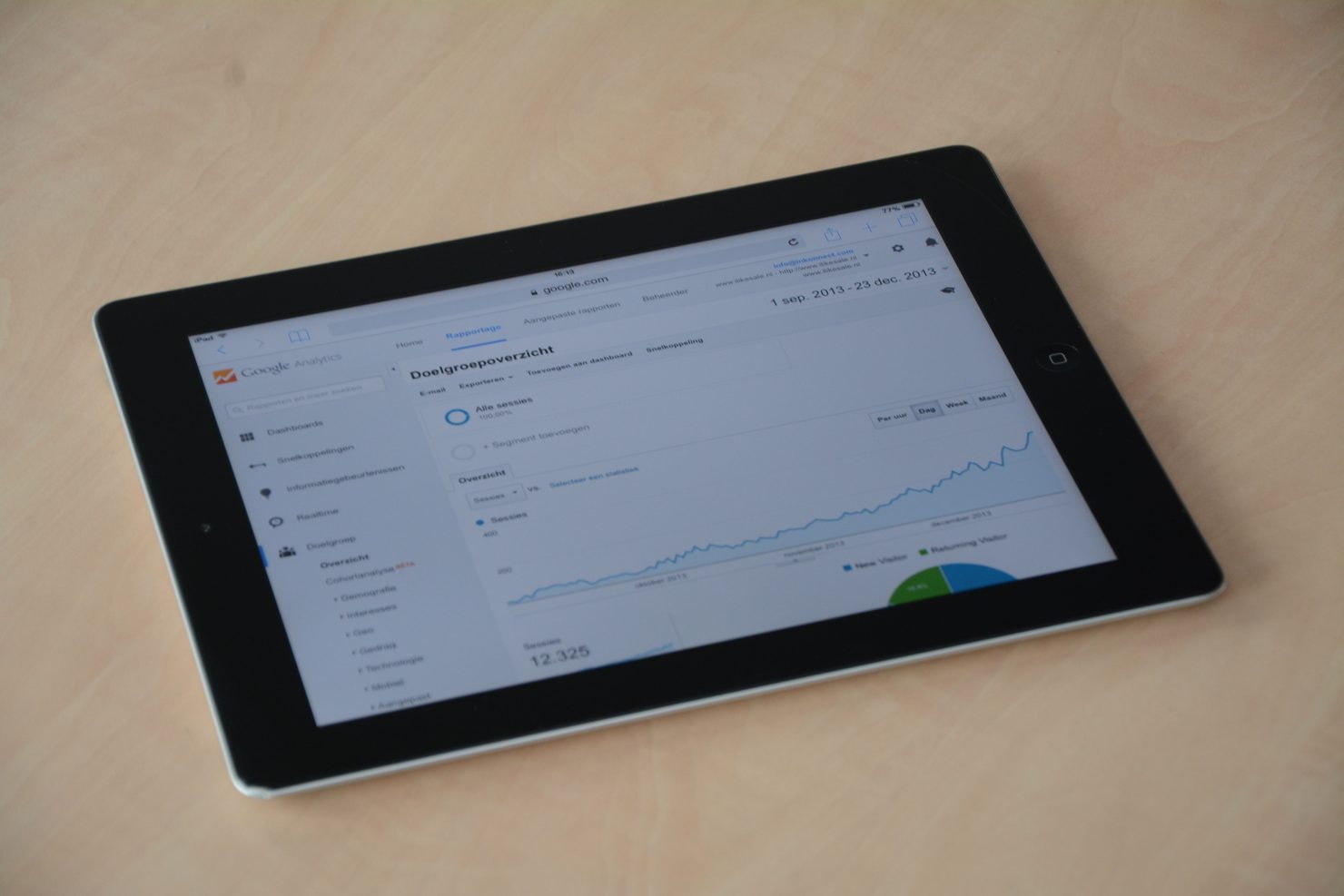
Google Search Console shows what happens before someone becomes a website visitor: how often your site appears in search results, which searches generate visibility, how many people click, and your average position. That data turns search visibility into a measurable pipeline of missed or captured opportunity.
SEO Isn't Just About Ranking #1
SEO often gets reduced to one goal: rank first on Google. Ranking matters, but a real strategy covers more ground:
- Understanding what your customers actually search for
- Making sure your website clearly answers those searches
- Improving the technical health of your site
- Strengthening individual service and location pages
- Managing your Google Business Profile
- Creating content that's genuinely useful
- Reviewing what is and isn't performing on an ongoing basis
For a local business, the goal is simple: make it easier for the right people to find you.
At Appalachian Marketing & Media, our SEO services focus on those fundamentals: keyword research, content strategy, Google Business Profile optimization, technical improvements, on-page SEO, and ongoing reporting.
Without a strategy tying those pieces together, SEO becomes reactive: a page updated here, a blog published there, a Google Business Profile edited when someone remembers. Months pass without anyone knowing whether any of it moved the needle.
You Become More Dependent on Other Lead Sources
A business without organic visibility still has to generate customers somewhere: referrals, social media, paid advertising, networking, repeat customers.
None of those are bad. A healthy marketing strategy usually runs several of them at once. The problem is when one channel has to carry nearly all the weight.
Referrals depend on someone already knowing your business exists. Advertising buys visibility only as long as you keep funding it: Google Ads averaged $5.26 per click across industries in 2025, up nearly 13% year over year, with an average cost per lead of $70.11.
Social media builds awareness, but most people scrolling a feed aren't actively shopping in that moment. Search catches something different: someone who already decided they need what you sell and typed it in. SEO puts your business in that moment.
Our marketing services combine SEO with website design, social media, advertising, graphic design, and strategy, built around what a business actually needs.
You Lose Valuable Information About Your Customers
SEO traffic data teaches you what your customers actually want. Search data shows the questions people ask, the terms they use, which services generate the most interest, and which pages pull in potential customers.

Google Search Console shows which queries generate impressions and clicks, and Google recommends using that data to find what's working and where to improve.
That information shapes more than SEO. A service people keep searching for is one to promote on social media. A page that consistently pulls in qualified traffic deserves more attention in advertising. If customers describe a problem differently than your company does internally, your website messaging needs to change to match. Without a strategy or a way to measure it, that information gets missed.
How SEO Work Compounds Over Time
A service page you build today can help customers find you months or years from now. An article you publish can answer hundreds of future searches. Improvements to your site structure benefit every new page you publish afterward. Each piece of work gives the next piece something to build on.
That compounding effect cuts both ways. A competitor who spends six months, a year, or several years steadily adding service pages, answering customer questions through content, earning links, collecting reviews, and strengthening their local presence is pulling ahead the entire time, whether or not you notice.
A company doing nothing during that stretch isn't standing still relative to the market. The market keeps moving, so it's losing ground.
When you eventually decide to invest in SEO, you're not necessarily starting from where your competitor started. You may be starting behind a website that's spent years building content, relevance, local signals, and authority. That gap can be closed. Closing it just takes more work the longer you wait.
Rankings aren't permanent. Competitors improve, search behavior shifts, and Google changes how it presents results. That's why SEO needs to run as an ongoing strategy, not a project with an end date.
What Doing Nothing Actually Costs
There's no universal dollar figure. For one business, the cost is a handful of high-value leads lost every month. For another, it's spending more on advertising because organic search isn't pulling its share of traffic. For a third, it's watching a newer competitor become the most visible business in the market.
For some businesses, SEO isn't the first marketing investment that needs attention. A weak website or inconsistent branding may need fixing first.
But if people are searching for what you sell and your competitors keep showing up ahead of you, doing nothing has a cost too. It just doesn't show up as a line item. It shows up as the phone call you never received, the website visit that went somewhere else, the customer who never knew your business was an option.
Start by Finding Out Where You Stand
You don't have to overhaul your marketing all at once. The first step is understanding how your business currently shows up in search, where competitors are outperforming you, and which opportunities are actually worth pursuing.

At Appalachian Marketing & Media, we help businesses across Southern Ohio, Eastern Kentucky, and West Virginia build SEO strategies around their market, their customers, and their goals.
See Where Your Business Stands
Schedule a consultation and we'll look at where your business stands in search today and where you could be showing up.
Schedule a Consultation