Key Takeaways
- Searches for many local services follow the same pattern every year. US searches for "landscaping" more than double between December and spring.
- Seasonal pages should be live when searches first start rising, which for spring services is often January.
- Measure seasonal marketing by calls, form submissions, and booked jobs, compared with the same months last year.
Why Seasonal Search Trends Matter for Your Business
What people search for changes with the calendar. Landscaping and lawn care searches climb in spring, heating repair and snow removal searches climb in fall and winter, and retail searches build ahead of the holidays. Businesses that know when those shifts happen can have their websites, Google Business Profiles, and ads ready before customers start looking.
For small businesses in Southern Ohio, Eastern Kentucky, and West Virginia, the timing of those shifts decides when leads arrive. A landscaping company that publishes its spring content in April is competing for customers who may have already requested quotes. Seasonal planning should be judged by calls, quote requests, and booked jobs during the busy months, with website traffic as a supporting measure.
What Are Seasonal Search Trends?
Seasonal search trends are changes in search interest that repeat at about the same time each year. Weather, holidays, school calendars, tax deadlines, and industry cycles all drive them. Some businesses see large swings, while others see smaller shifts in which services or questions customers search for.
Seasonal trends affect several parts of a marketing plan:
- Keyword research: Finding which service searches rise in which months.
- Website content: Updating service pages and publishing blog posts for seasonal needs.
- Local SEO: Adding seasonal services to your Google Business Profile, setting holiday hours, and publishing seasonal posts on your profile.
- Social media: Matching posts and promotions to what customers are searching for that month.
- Advertising: Shifting budget toward the months when searches and leads increase.
Google Trends shows how search interest changes over time and can be filtered by state. It reports relative interest rather than search volume, so pair it with a keyword research tool and your own website data.
Two Examples of Seasonal Search Patterns
The figures below are Ahrefs estimates of monthly US searches from January 2023 through October 2026. Timing in your state can differ from the national pattern, so check your own services in Google Trends before setting dates.
Landscaping: Searches Start Rising in January and Peak in Spring
US searches for "landscaping" hit their low point every December, at roughly 41,000 to 57,000 searches a month. They rise 13 to 24 percent in January, jump another 42 to 54 percent between February and March, and peak in April or May at 115,000 to 132,000 searches. Spring demand is more than double the December low.
Monthly US searches for "landscaping"
For a landscaping company serving Huntington or Ashland, that pattern points to this schedule:
- December and January: Update spring cleanup, mulching, and landscape design service pages, and publish one or two posts answering common spring questions.
- February: Add spring services and recent project photos to your Google Business Profile.
- March: Increase ad spend and seasonal social posts as searches jump.
- April and May: Respond to reviews and keep your profile current during the peak. Compare calls and quote requests with the same months last year.
Snow Removal: Searches Build From Late Summer to January
Searches for "snow removal" follow the opposite curve. They sit around 2,000 to 5,000 a month in early summer, start climbing in August or September, and peak in January at roughly 22,000 to 25,000. Large storms cause sharp spikes, so the size of the peak changes with the weather.
Monthly US searches for "snow removal"
A contractor offering snow removal should have the service page updated and the service listed on its Google Business Profile by September. A page published after the first storm has little time to rank before the January peak.
How Seasonal Search Trends Affect SEO
Seasonal shifts change which keywords get searched, which pages attract visitors, and when topics become more competitive. A page that is published or updated before searches rise has time to be crawled, indexed, and start ranking. There is no guaranteed timeline for that, so earlier is safer.
Most seasonal SEO work happens on pages you already have: keeping core service pages strong and updating them for each busy season.
Finding Seasonal Keyword Opportunities
To find your own patterns, combine Google Trends with your website and lead data:
- Look up your main services in Google Trends for the past five years, filtered to your state, and note the month interest starts rising each year.
- In Google Search Console, compare clicks and impressions for the same months across the last two years to see which pages pick up seasonal traffic.
- Match those months against call logs and form submissions to see whether leads arrive at the same time as searches or later.
- Note the questions customers ask each season and check whether your site answers them.
- List existing pages that need updates.
Building a Seasonal Content Strategy
Choose seasonal topics based on what customers need at that time of year. A contractor might publish a winter property maintenance checklist in the fall, while a landscaping company publishes spring preparation tips in January. Each post should link to the related service page so readers who are ready to hire can request a quote.

Update Existing Content Before Creating New Pages
Check what your site already has before writing new seasonal posts. Service pages, older blog posts, and FAQ pages often cover seasonal topics and only need updated details, current photos, and better internal links. Create a new page when customers have a distinct need that no existing page answers.
Using Local SEO to Reach Seasonal Customers
Seasonal demand varies between communities because of weather, local events, and customer needs. For businesses serving Southern Ohio, Eastern Kentucky, and West Virginia, local SEO connects seasonal services with the towns where customers are searching.

Update Your Google Business Profile Before Each Season
Your Google Business Profile appears in Google Search and Maps and is often the first thing a local customer sees. Seasonal updates to make:
- Set special hours for holidays and any seasonal schedule changes.
- Add seasonal services, such as "snow removal" or "spring cleanup," to your services list.
- Publish a profile post announcing the seasonal service or offer.
- Upload recent photos of seasonal work.
- Ask recent customers for reviews and respond to new ones.
The Business Profile Help Center explains how to edit hours, services, and posts. Keep the hours, phone number, and services on your website consistent with your profile.
Create Content Relevant to Your Service Area
Location content should reflect what customers in each community need. A company offering winter property services might look at how customers search for those services in Portsmouth, Ohio; Ashland, Kentucky; and Huntington, West Virginia, and name those areas on its snow removal page. Avoid creating near-identical pages for every city; a single detailed page that lists the areas you serve is more useful to customers.
Build a Seasonal Marketing Calendar
Put the dates you found on a 12-month calendar and work backward from each rise in searches. For each season, note which pages to update, what content to create, when to update your Google Business Profile, and when ads and promotions should start.
Example: when searches rise and when to prepare
| LandscapingLowest in December, peaks in April and May. Prep window: December and January. | |||||||||||
|---|---|---|---|---|---|---|---|---|---|---|---|
| Snow removalLowest in May and June, peaks in January. Prep window: August and September. | |||||||||||
Include a check that seasonal descriptions and pricing are current and that promotions match across your website, social media, email, and ads. Not every business needs a holiday campaign. Focus on the seasons that bring in your customers.
Use Your Year-End Review to Set Next Year's Dates
The end of the year is a practical time to compare results with the plan. Review which months produced the most leads, which pages and keywords drove them, and whether demand arrived earlier or later than expected. Use those findings to adjust next year's calendar.
Measuring Seasonal Marketing Performance
Start with leads. A rise in visitors matters only if calls and quote requests rise with it. Track these metrics for each season:
- Conversions: Phone calls, form submissions, quote requests, and other customer actions.
- Organic traffic: Visitors arriving through unpaid search results.
- Keyword rankings: Positions for your seasonal search terms.
- Search impressions: How often your pages appear in Google Search.
- Click-through rate: The percentage of impressions that result in clicks.
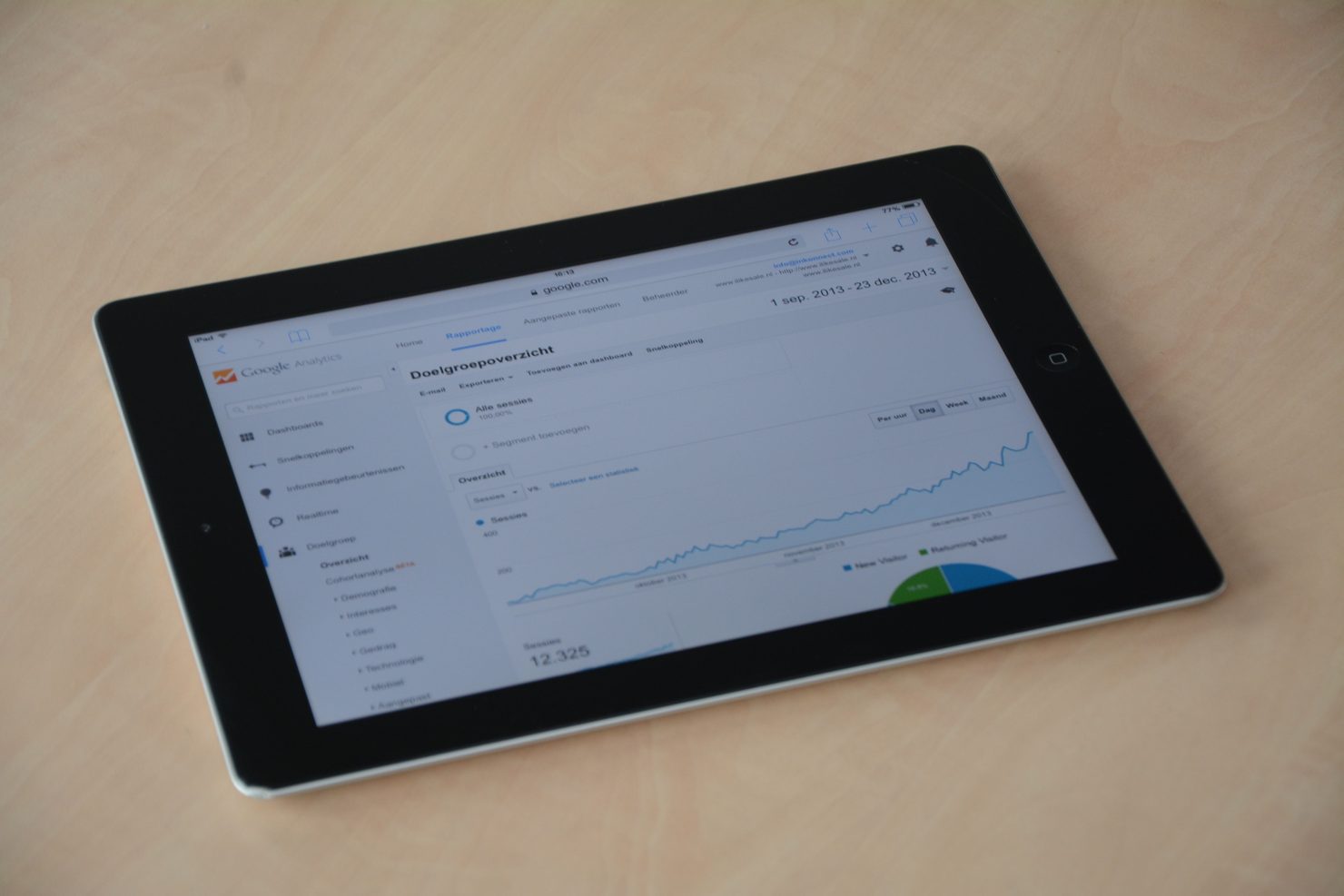
Compare each metric with the same period last year rather than the previous month. A landscaping site will usually see less traffic in December than in October, and that drop is seasonal. Google's Search Central documentation recommends accounting for seasonality when evaluating changes in search traffic.
Frequently Asked Questions About Seasonal Search Trends
What Are Seasonal Search Trends in Digital Marketing?
Seasonal search trends are changes in search interest that repeat at about the same time each year, driven by weather, holidays, annual events, or industry cycles.
How Can Small Businesses Identify Seasonal Keywords?
Look up your main services in Google Trends over five years, filtered to your state, then compare the same months in Google Search Console and your lead records. A pattern that repeats across several years is reliable enough to plan around.
When Should Businesses Publish Seasonal SEO Content?
Publish or update seasonal pages when searches first start rising, well before the peak. In US search data, that means January for spring landscaping content and August or September for snow removal.
Can Seasonal SEO Help Local Businesses?
Yes. Local businesses can use seasonal SEO to update service pages and Google Business Profiles for each busy season and to publish content that answers the questions customers in their area ask each season.
Turn Seasonal Insights Into a Stronger Marketing Plan
Pick your two or three most seasonal services, find the month searches for each start rising in your state, and put those dates on next year's calendar. After each season, check whether calls and form submissions followed the same pattern.
Is Your Marketing Strategy Ready for the Next Season?
Find Your Seasonal Opportunities With Appalachian Marketing & Media
Appalachian Marketing & Media helps businesses across Southern Ohio, Eastern Kentucky, and West Virginia with SEO, website development, content creation, and digital marketing. Our team can help you find your seasonal opportunities and build an SEO and content plan around the months that matter most to your business.