Key Takeaways
Templates are fast but come with long-term limitations
Custom websites are built to scale and perform
Your business goals should drive your decision
This Decision Impacts More Than You Think
When you're building a website for your business, it's easy to focus on what gets you online the fastest.
Templates make it feel simple, you pick a design, swap in your information, and suddenly you have a website. It checks the box, and for a lot of businesses, that feels like enough at first.
But your website isn't just something you "have." It's often the first real impression someone gets of your business.
Before they call you, before they message you, before they decide if you're worth their time, they're looking at your site.
And whether you realize it or not, they're making decisions based on how it looks, how it feels, and how easy it is to use.
That's why this decision matters more than most people think. Choosing between a template and a custom website isn't just about cost or speed.
It's about how your business shows up online, how it competes, and how it grows over time. This guide is here to help you make that decision with clarity, not guesswork.
What Are Website Templates?
Website templates are pre-built designs that give you a starting point.
Platforms like Wix, Squarespace, and WordPress offer thousands of them, and they're built to be easy to use, even if you've never touched a website before.
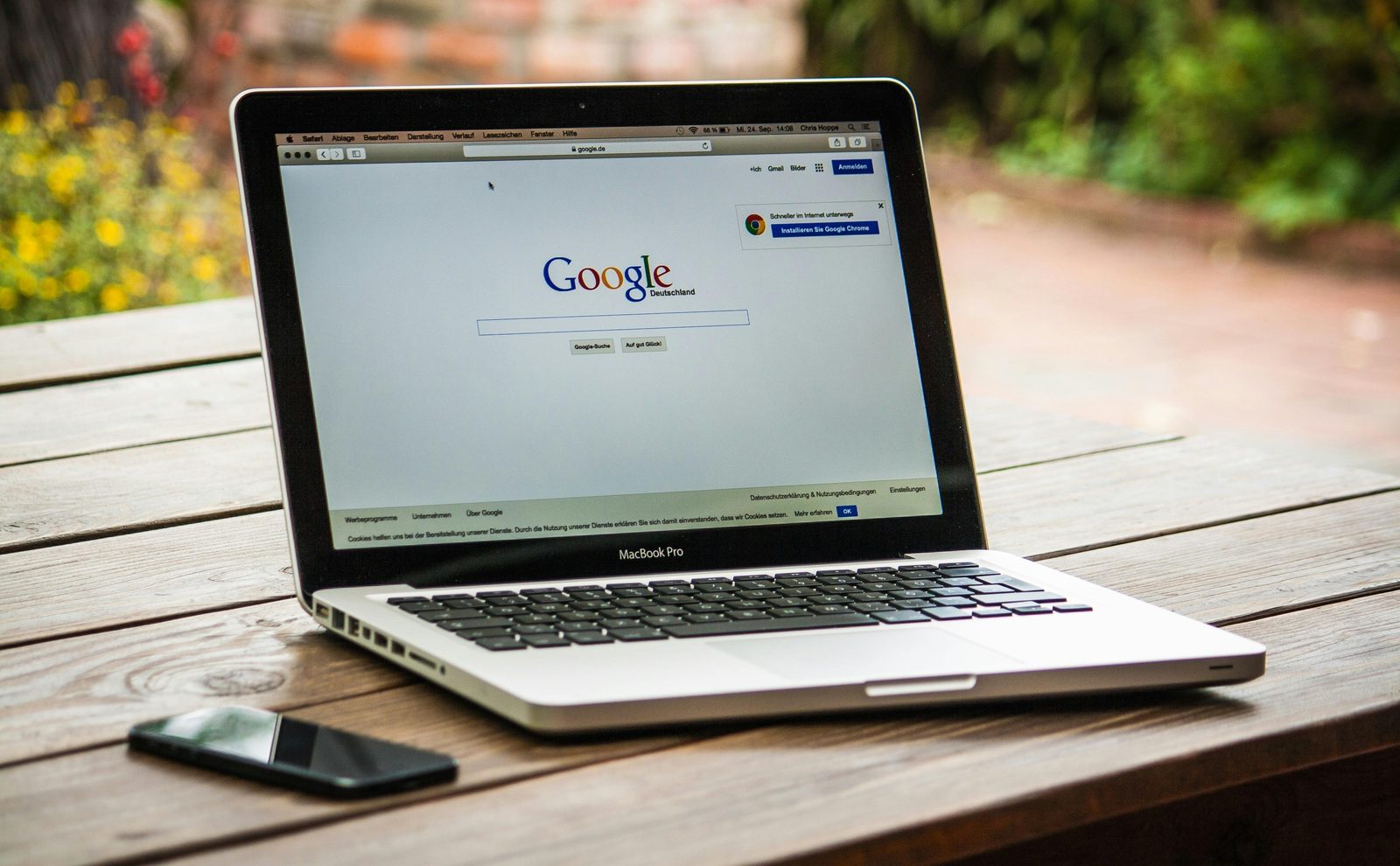
The appeal is obvious. You can launch quickly, you don't need a developer, and the upfront cost is low.
For small businesses, startups, or anyone trying to get online without a big investment, templates feel like the logical choice.
You can have something live in a matter of days, which is hard to ignore.
But templates are built for general use, not for your specific business. That means you're working inside someone else's structure.
You can change colors, swap images, and adjust some layout elements, but there's a limit to how far you can take it. Once you try to go beyond that, you start to feel those restrictions.
What Is Custom Website Design?
Custom website design is exactly what it sounds like, it's built specifically for your business from the ground up.
Instead of adjusting your content to fit a template, the site is created to fit your business, your services, and how your customers actually interact with you.
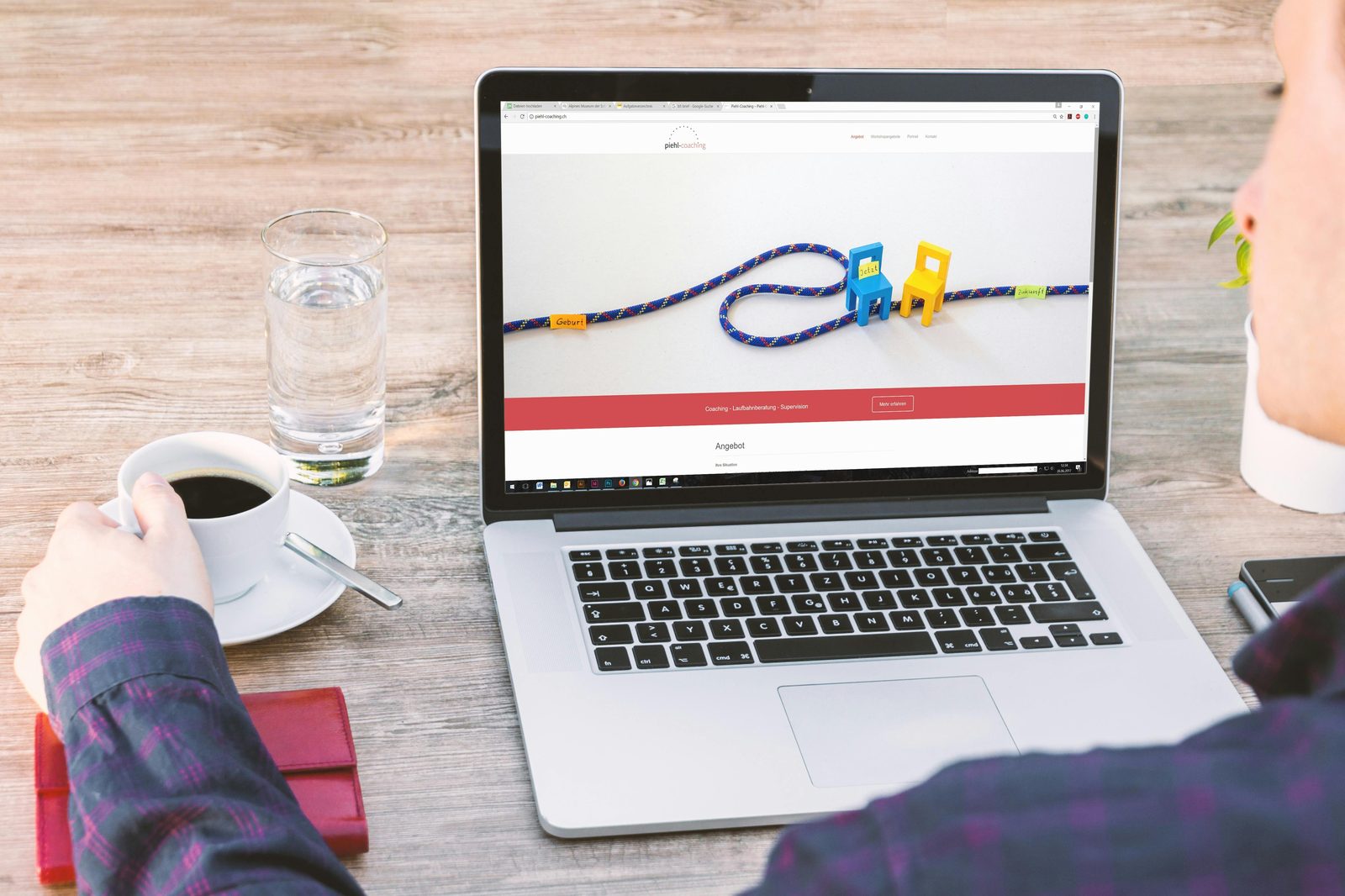
This gives you full control. Every section, every page, every element is designed intentionally.
You're not asking, "Can this template do what I need?" You're deciding exactly how your website should function and building it that way from the start.
That level of control becomes more important as your business grows. A custom site isn't just about looking better, it's about performing better.
It's built to support SEO, guide users toward taking action, and evolve as your business changes. That's something templates struggle to keep up with long-term.
Templates: Where They Work (And Where They Don't)
Templates absolutely have their place. If you're just getting started, need something simple, or want a quick way to establish an online presence, they can be a solid option.
Not every business needs a fully custom site right away, and templates make it possible to get online without overcomplicating things.
They're also easier to manage if you're doing everything yourself.
Most template platforms are built to be user-friendly, which means you can make updates without needing to rely on a developer.
That's appealing if you want full control over your site and don't want to deal with technical details.
The issue is what happens after that initial launch.
As soon as you want more, better rankings, faster load times, stronger conversions, you start to feel the limits.
Templates aren't built with strategy in mind. They're built to work for everyone, which usually means they're not optimized for anyone in particular.
Custom Design: Why Businesses Eventually Move This Direction
Custom websites are built with purpose. Instead of trying to make something "work," everything is designed to support a goal, whether that's generating leads, increasing calls, or improving visibility on Google.
That intentional approach makes a noticeable difference in how the site performs.

They're also built to grow with your business. You're not locked into a system that restricts what you can add or change.
As your services expand or your strategy shifts, your website can adapt without needing a complete rebuild.
This is why a lot of businesses eventually move toward custom design.
They start with a template, hit a ceiling, and realize their website isn't keeping up with where they want to go.
Custom design removes that ceiling and gives you room to grow.
SEO Differences: Where the Gap Really Shows
If your goal is to get found on Google, this is where the difference becomes hard to ignore.
Templates can handle basic SEO, but they often fall short when it comes to deeper optimization. Things like site speed, clean code, and proper structure aren't always prioritized.
Custom websites are built with SEO in mind from the beginning.
That means faster load times, better mobile performance, and a structure that makes it easier for search engines to understand your content.
These aren't small details, they directly impact how well your site ranks.
In competitive markets, those differences matter.
Two businesses might offer the same service, but the one with the better-built website will usually have the advantage.
SEO isn't just about keywords, it's about how your entire site is put together.
User Experience: The Difference Between Visits and Conversions
Getting people to your website is one thing.
Getting them to actually take action is another. That's where user experience comes in, and it's something templates often overlook.
Templates are designed to look good across a wide range of industries, but they're not built around your specific audience.
That means they don't always guide users in the most effective way.
Important information can get buried, calls-to-action can feel unclear, and the overall flow may not make sense for your business.
Custom websites are designed with your customer in mind. Every section is intentional.
The layout guides users toward taking action, whether that's calling, filling out a form, or scheduling a service. That level of thought makes a real difference in how your site performs.
Performance and Speed: What Most People Don't Think About
Website speed is one of the biggest factors in both SEO and user experience, and it's something that often gets overlooked.
Templates tend to include extra code and features that you don't actually need, which can slow your site down.
A slow website doesn't just frustrate users, it causes them to leave.
Most people won't wait around for a page to load, especially if they're on their phone. That means you're losing potential customers before they even see what you offer.
Custom websites are built with performance in mind. They're streamlined, optimized, and designed to load quickly.
That not only improves user experience but also helps with search rankings. It's one of those behind-the-scenes factors that makes a big impact.
Cost: Short-Term Savings vs Long-Term Value
Templates are cheaper upfront, and that's one of their biggest selling points.
If you're trying to keep costs low, they can be a practical way to get started without a large investment.
But it's important to think beyond the initial cost.
If your template limits your growth, hurts your SEO, or forces you to rebuild later, it can end up costing more in the long run.
What feels like a savings now can turn into a setback later.
Custom websites require a larger upfront investment, but they're built to last.
When done correctly, they provide long-term value by supporting your growth, improving performance, and reducing the need for major changes down the road.
When a Template Makes Sense
Templates make sense when your needs are simple.
If you just need a basic online presence, want to get something up quickly, or are testing an idea, they can be a good starting point.
They're also useful if you're not relying heavily on your website for leads.
If most of your business comes from referrals or other channels, a template may be enough for now.
The key is understanding that it's a starting point, not a long-term solution for growth-focused businesses.
When Custom Design Is the Better Move
Custom design makes sense when your website is a core part of your business.
If you want to generate leads, rank on Google, and stand out from competitors, a custom site gives you the tools to do that.
It's especially important in competitive industries.
When multiple businesses offer similar services, your website becomes a major differentiator. A custom site helps you stand out and build trust more effectively.
If you're thinking long-term, custom design is usually the better investment. It sets you up for growth instead of holding you back.
How to Make the Right Decision
There's no one-size-fits-all answer here.
The right choice depends on where your business is right now and where you want it to go. If you need something quick and simple, a template can work.
If you're focused on growth, performance, and long-term success, custom design is the better route.
It gives you the flexibility and functionality you need to compete and scale.
The most important thing is being honest about your goals. Once you're clear on that, the decision becomes a lot easier.
Build a Website That Works for You
Your website should do more than just exist, it should actively support your business.
Whether that means generating leads, improving visibility, or building trust, the way your site is built plays a huge role in how well it performs.
Templates can get you started, but they come with limitations.
Custom websites take more effort upfront, but they're built to grow with you and deliver better results over time.
At the end of the day, the goal isn't just to have a website, it's to have one that works. And making the right choice here is what sets that foundation.
Let's Build Something That Actually Performs
If your website feels like it's just sitting there instead of bringing in business, it might be time for something better.